Sensory Wine Experience
Duration: 1h 15 Languages:English, Italian
Discover wine through aromas, sounds, colours and sensations beyond the traditional tasting experience.
A multisensory wine tasting goes beyond the traditional tasting experience by exploring the relationship between taste, smell, sight, hearing and touch. Through guided activities, perception exercises and distinctive settings, wine becomes the focus of an engaging experience that encourages curiosity and greater attention to sensations we might otherwise overlook.
Wineries offering multisensory wine experiences may use different approaches, including tastings in darkness, aroma recognition exercises, wine and music pairings, tactile materials or settings that highlight lighting, colours and vineyard landscapes. Each experience has its own characteristics and provides an opportunity to discover how the surrounding environment can influence wine perception.
Whether you are a wine enthusiast or looking for an unusual activity to enjoy with a partner or friends, explore the multisensory wine tastings available on Cantine.wine. Compare winery experiences, find the one that matches your interests and book at the same price as the winery.
Duration: 1h 15 Languages:English, Italian

Sensory Tasting of Wine, Fragrances, and Incense
(13 reviews)
Duration: 3h Languages:Italian

Duration: 1h 15 Languages:English, Italian

Duration: 2h Languages:English, Italian

Duration: 1h Languages:French, English, Italian


Multisensory tasting starts with a simple idea: when we drink wine, we use more than our sense of taste. Aromas, colour, mouthfeel and even the sounds around us contribute to the way we experience a wine.
During a multisensory tasting at a winery, some of these elements are deliberately highlighted. Participants may be invited to recognise aromas without seeing the wine, compare impressions while listening to different music or observe how the tasting experience changes with visual stimuli.
The aim is not necessarily to identify wines without labels, but to become more aware of personal perceptions and discover different aspects of wine tasting.
Multisensory tastings do not all follow the same format. Wineries may offer anything from simple sensory exercises to more elaborate immersive experiences.
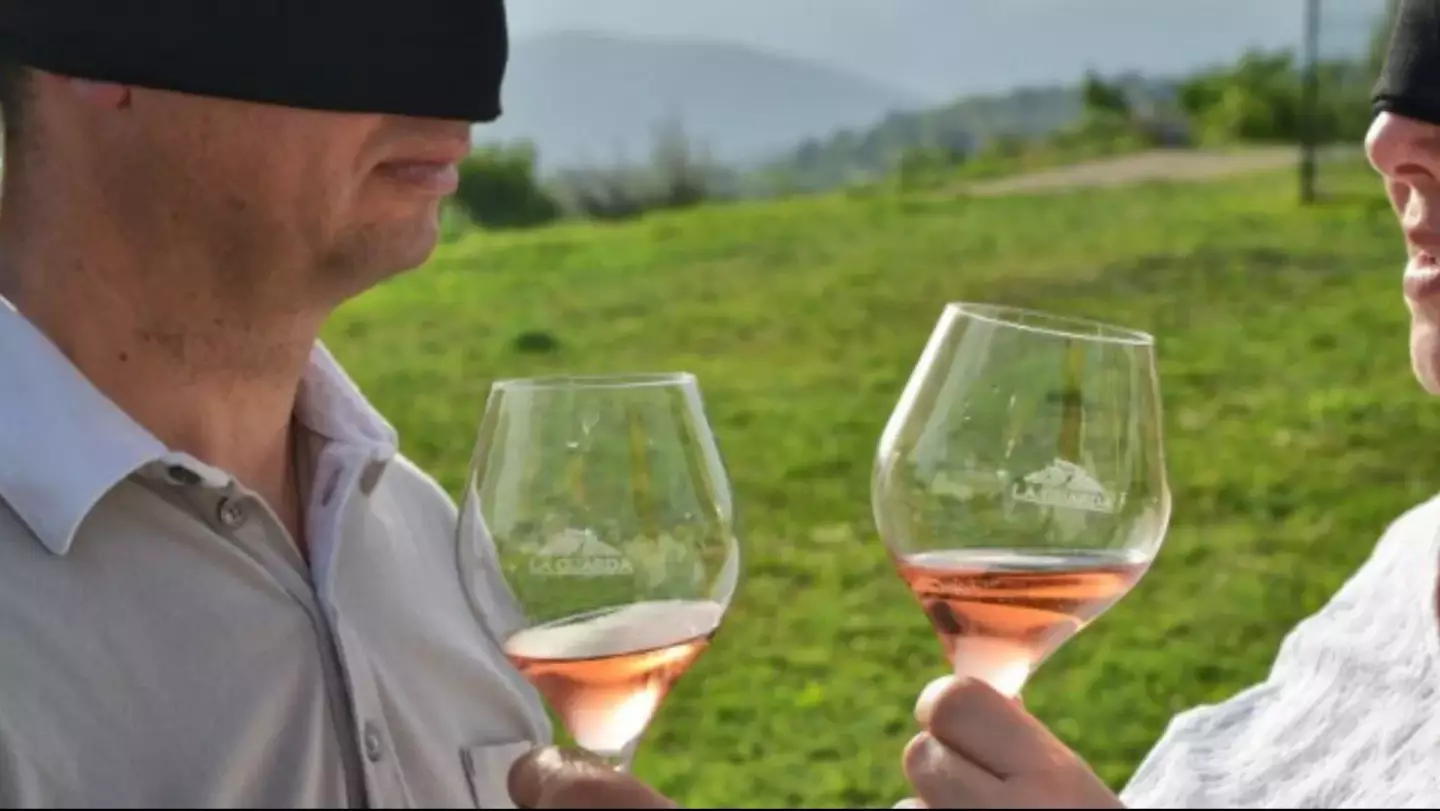
A wine tasting in darkness reduces or removes visual information, encouraging participants to focus on aromas, taste and mouthfeel. This can provide an opportunity to reflect on how wine colour and expectations influence our impressions.
Formats vary: some experiences may take place in darkened rooms, while others involve exercises where participants cannot see the glass. Always check the individual programme before booking.
Some experiences pair wines with music, sounds or soundscapes. Listening can direct attention towards particular wine characteristics and contribute to the overall tasting experience.
These activities invite participants to compare their personal impressions. The same wine may be perceived differently in different sound environments, even though its chemical composition remains unchanged.
The sense of smell plays an essential role in wine tasting. Aroma recognition exercises can help participants identify different scent families, compare sensations and develop a vocabulary for describing the aromas in a glass of wine.
Some experiences may use aroma samples or other olfactory stimuli. The specific activities depend on the winery.
Sight helps create expectations through a wine's colour and appearance. Touch may also be involved through materials, surfaces and textures that participants can explore.
Some winery experiences combine these elements with lighting, artistic installations, storytelling or views of the surrounding vineyards, making the setting an integral part of the tasting.
Multisensory wine experiences can appeal to visitors with different levels of wine knowledge. They are not reserved for experts and may provide an introduction to guided tasting when the selected format suits the participant's needs.
Before booking, it is useful to understand which senses are involved and how the activities are organised. The term multisensory can describe very different experiences.
Check the experience listing for:
If you have specific requirements concerning lighting, sound, mobility or sensory sensitivity, contact the winery to confirm suitability before booking.
A traditional wine tasting generally focuses on the wine's appearance, aromas and flavours, often accompanied by information about its origin and production.
A multisensory wine tasting may add external stimuli and experimental activities that involve other senses more explicitly. Rather than replacing traditional tasting, it offers another perspective: observing not only the wine, but also the way we perceive it.
The right choice depends on your interests. Visitors wishing to explore a particular wine region in depth may prefer a technical tasting, while those seeking a more interactive activity may enjoy a multisensory experience.
A multisensory wine tasting can become a memorable shared activity. Comparing personal impressions, participating in guided exercises and discovering wine from a different perspective make this format appealing for special occasions.
On Cantine.wine, you can explore available experiences and check the gift options offered for the selected activity. Before purchasing, review the details, redemption instructions and applicable conditions.
Discover wineries offering multisensory wine experiences and compare their activities. Whether you want to try tasting in darkness, explore the relationship between wine and music or develop your aroma recognition skills, choose an experience that matches your curiosity.
Explore the experiences available on Cantine.wine and book your tasting at the same price as the winery.
It is a wine tasting experience that involves senses beyond taste and smell, such as sight, hearing and touch. Guided activities and sensory stimuli encourage participants to explore how the environment and expectations may influence wine perception. Not every experience necessarily involves all five senses.
A multisensory wine tasting may include tastings in darkness, aroma recognition exercises, music, lighting effects, tactile materials or wine-related storytelling. Activities are chosen by the winery to complement the tasting. Check the experience listing to see what is actually included.
Yes, many multisensory wine tastings can be enjoyed without technical wine knowledge. Guided activities help participants focus on aromas, flavours and personal impressions. Check the experience description to find a format suited to your level.
Beyond taste, a tasting may involve smell through aroma recognition, sight through colours and lighting, hearing through music or sounds, and touch through different materials and textures. Each winery can combine these elements differently. The individual experience description explains which senses are emphasised.
Duration depends on the winery and the selected programme. An experience featuring several wines and sensory activities may take longer than an introductory tasting. Check the individual listing for the scheduled duration before planning your visit.
They can be enjoyable experiences for couples or friends, as participants can compare their personal sensations and impressions. Some offers may include group activities or private formats. Check participant requirements and experience details before booking.
Experiences may take place in tasting rooms, dedicated spaces or other areas of a winery. Some programmes use lighting, music or special settings, while others highlight the surrounding landscape. The actual location and setup depend on the individual winery.
A multisensory wine tasting can be an original gift for someone who loves wine or enjoys trying new experiences. On Cantine.wine, you can explore available offers and check the gift options for your chosen experience. Review the applicable conditions and redemption instructions before purchasing.
Accessibility depends on the facilities and activities offered by each winery. Before booking, review the experience information and contact the winery about any requirements relating to mobility, sight, hearing or sensory sensitivity. This will help you assess whether the experience is suitable for participants' needs.
The wines depend on the winery and the chosen programme. They may include wines representative of the region or labels selected for particular aroma and sensory exercises. Check the experience listing for the styles and number of wines included.