
Organic and biodynamic winery tastings
Meet producers and discover vineyard practices and wines through tours and tastings.
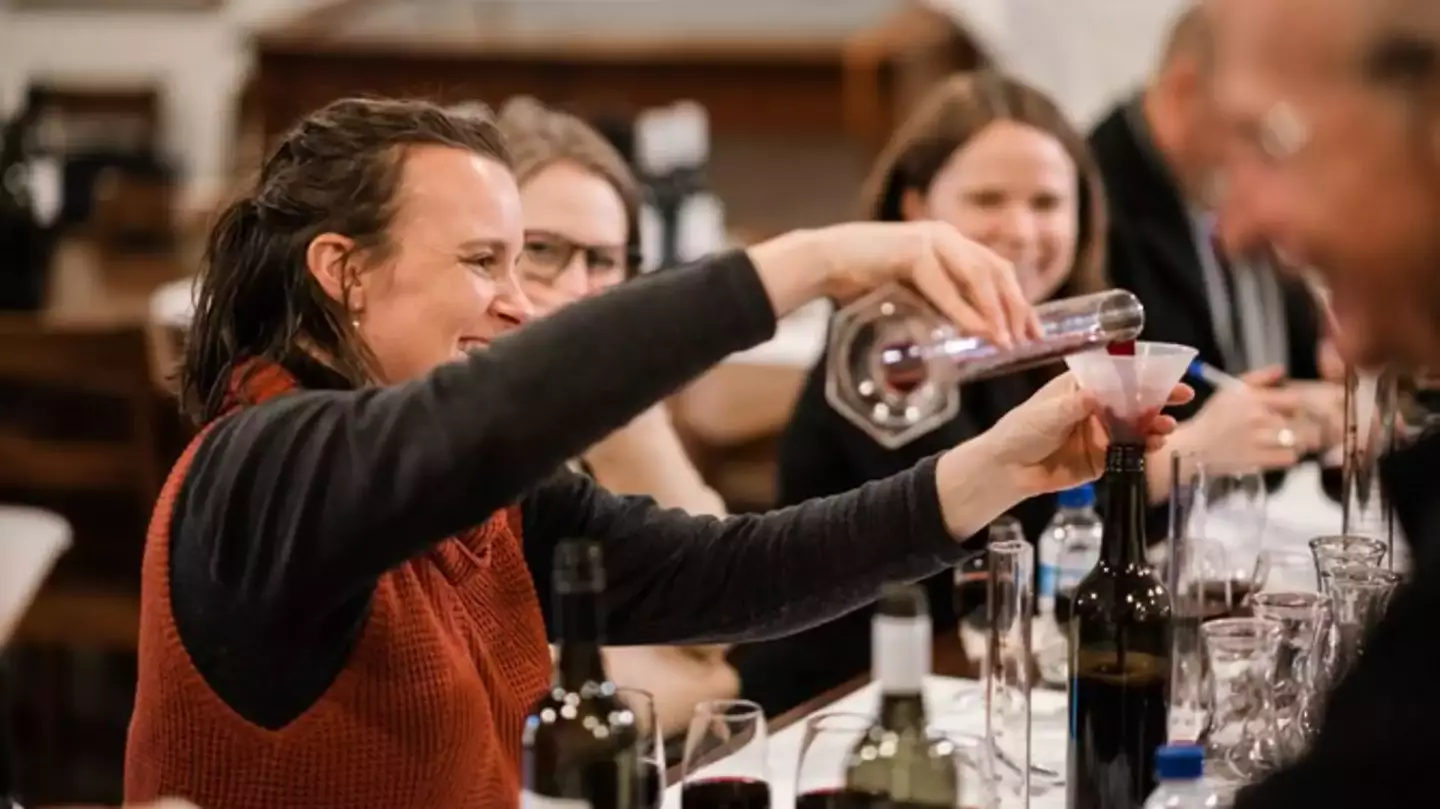
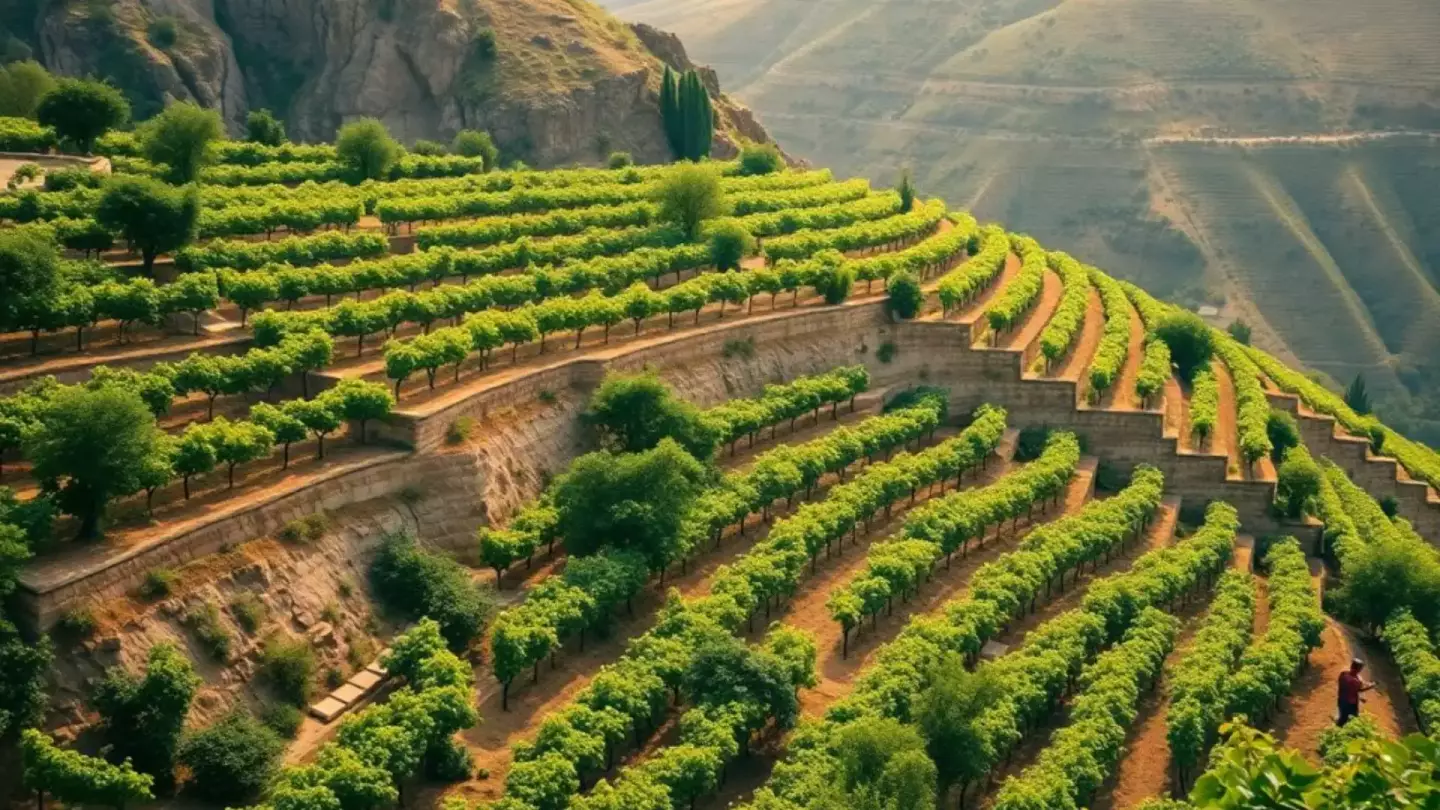
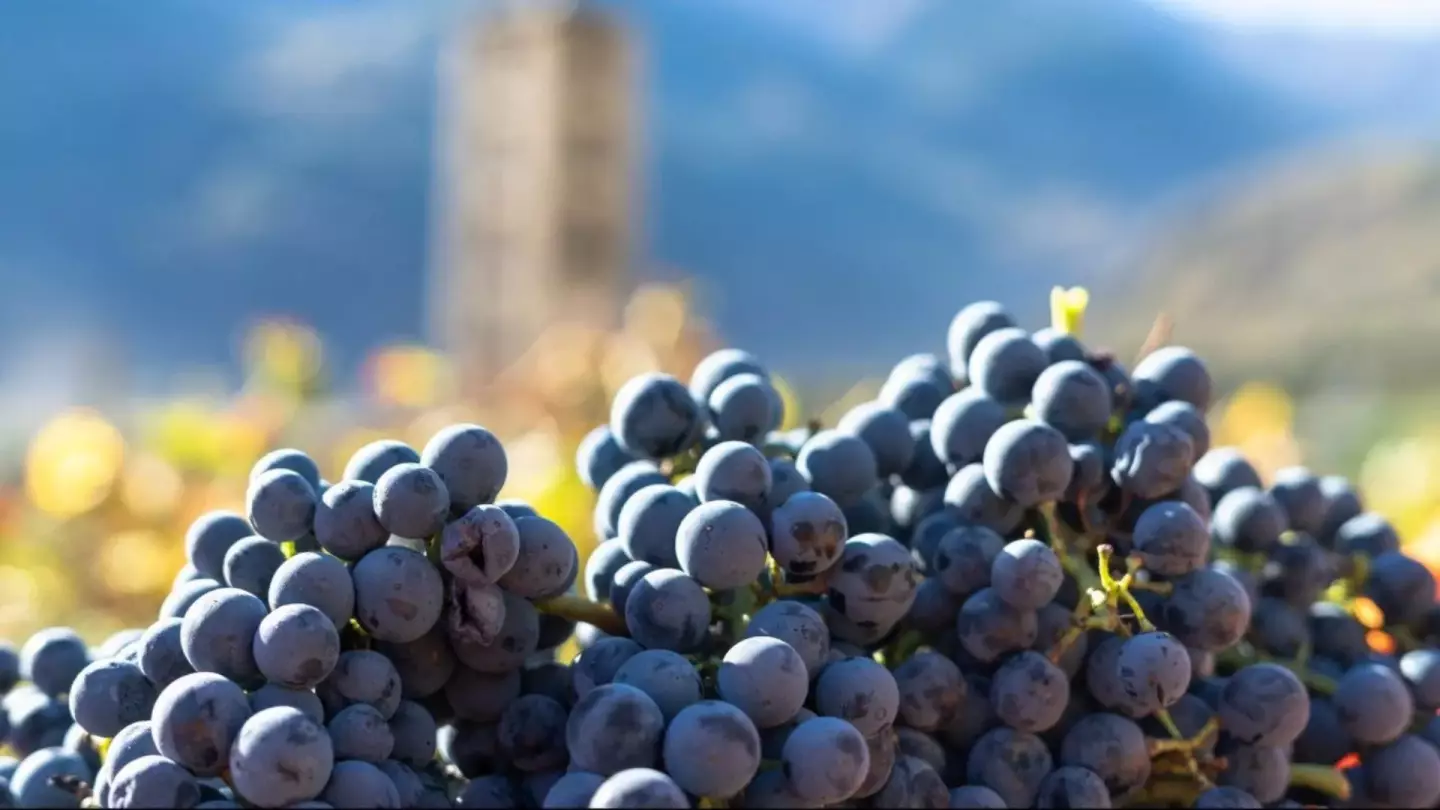
Visiting an organic or biodynamic winery offers a chance to understand the choices behind grape growing and winemaking. A tasting can introduce you to producers' approaches to soil, biodiversity and cellar work, alongside wines from different regions and traditions.
This collection features winery experiences connected with organic and biodynamic practices. Check individual listings for wines, activities, prices and available dates. Certifications and production methods should be checked for each winery: organic, biodynamic and natural wine are not interchangeable terms.


Guided Tour of Wineries and Vineyards with Wine and Olive Oil Tasting
(2 reviews)
Duration: 1h 30 Languages:English, Italian

GASTRONOMIC TOUR
Duration: 1h 30 Languages:English, Italian


- Outdoor experience

Guided Tour of Wineries and Vineyards with Tasting
(2 reviews)
Duration: 1h 30 Languages:English, Italian

Medium Tasting
Duration: 50 min Languages:French, English, Italian, German

- Outdoor experience
BIKE TOUR IN THE VINEYARDS AND TASTING IN THE CELLAR
(1 review)
Duration: 3h Languages:English, Italian, German
What to expect at an organic winery
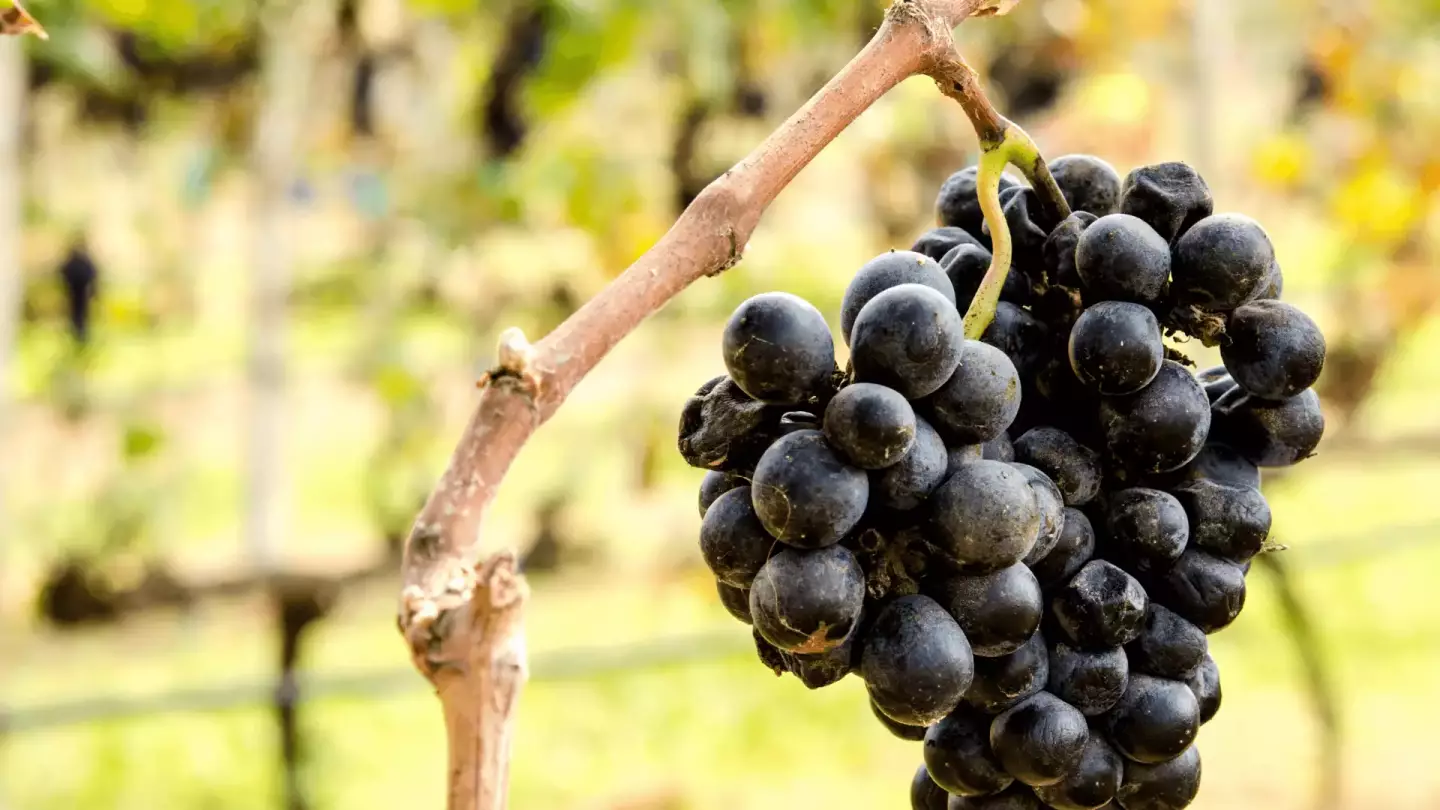
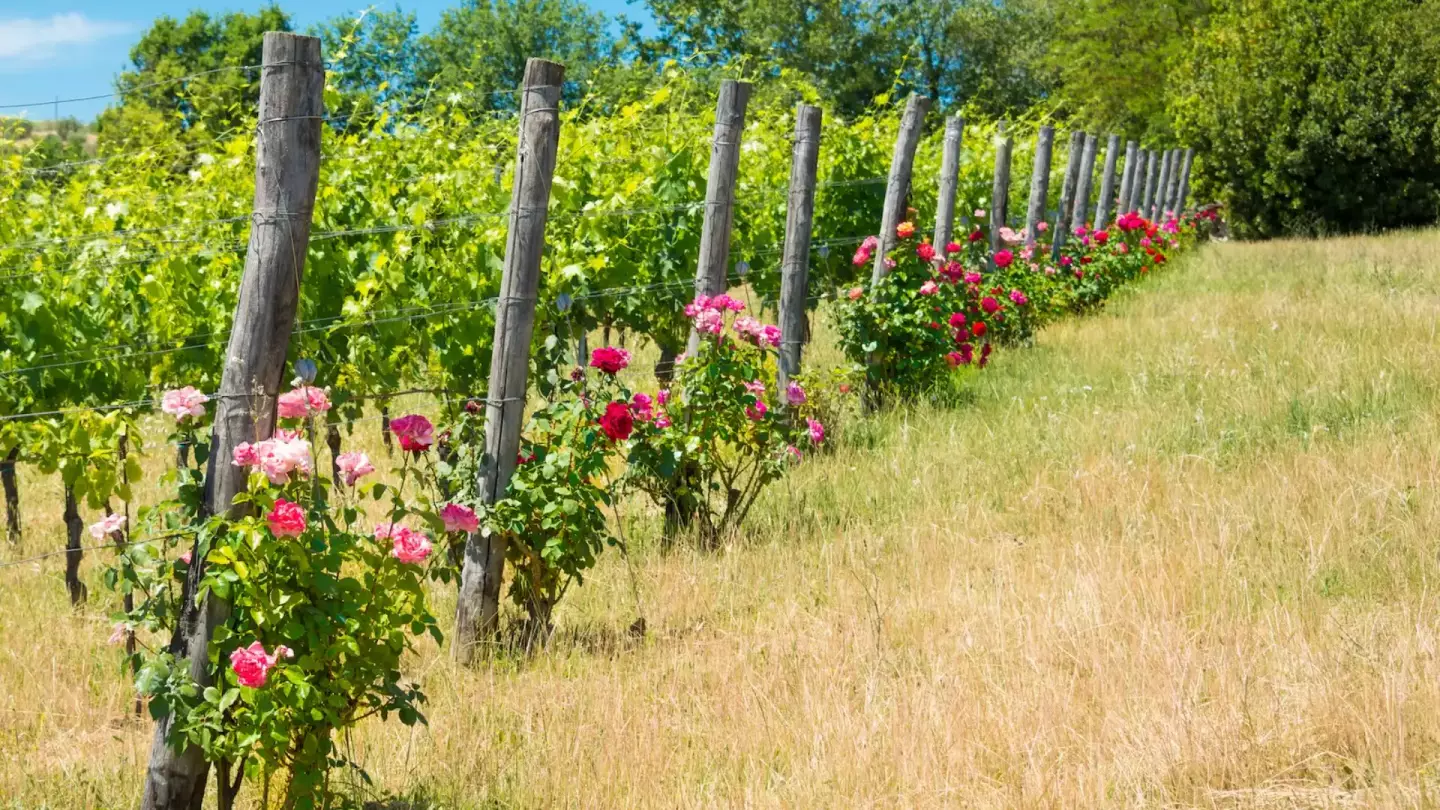
A visit can explain how a producer manages the vineyard, from soil health to plant protection. Organic production follows defined rules and inspections; check the certifications claimed by each winery.
Biodynamic farming: questions to ask
Biodynamics is an agricultural approach that may use specific preparations and farming calendars. It does not automatically mean organic certification or guarantee better wine quality.
Organic wine versus natural wine
Organic wine is regulated in the European Union, covering both grape growing and winemaking. Natural wine has no single EU legal definition, so fermentation, filtration and sulphite practices need to be considered producer by producer.
What you can learn during a tasting
Ask about grape varieties, vineyard management and winemaking decisions. Some experiences include vineyard or cellar tours; always check the actual programme.
How to choose and book a visit
Compare location, wines included, duration, accessibility and available dates. Read the experience listing before booking to find the right fit.
Answers to the most frequently asked questions
How can I recognise organic wine?
Certified organic wine in the EU carries the required labelling information, including the EU organic logo where applicable. Certification covers grape growing and defined winemaking rules; it does not mean absolutely no treatments or sulphites.
What is the difference between organic and natural wine?
Organic wine follows EU rules and a certification system. Natural wine has no single EU legal standard, so ask the producer about fermentation, filtration and additives.
When is a wine considered biodynamic?
The term describes wine made using an approach inspired by biodynamic agriculture. Practices and certifications can vary, so check the producer's own information.
Are biodynamic wineries always organic?
Not necessarily: the terms describe different approaches and requirements. Some wineries follow both methods or hold specific certifications; check each producer's details.
Can organic wine contain sulphites?
Yes. Sulphites can occur naturally or be added within permitted limits. Organic rules set specific conditions, but organic does not mean sulphite-free.
What does a tasting at these wineries include?
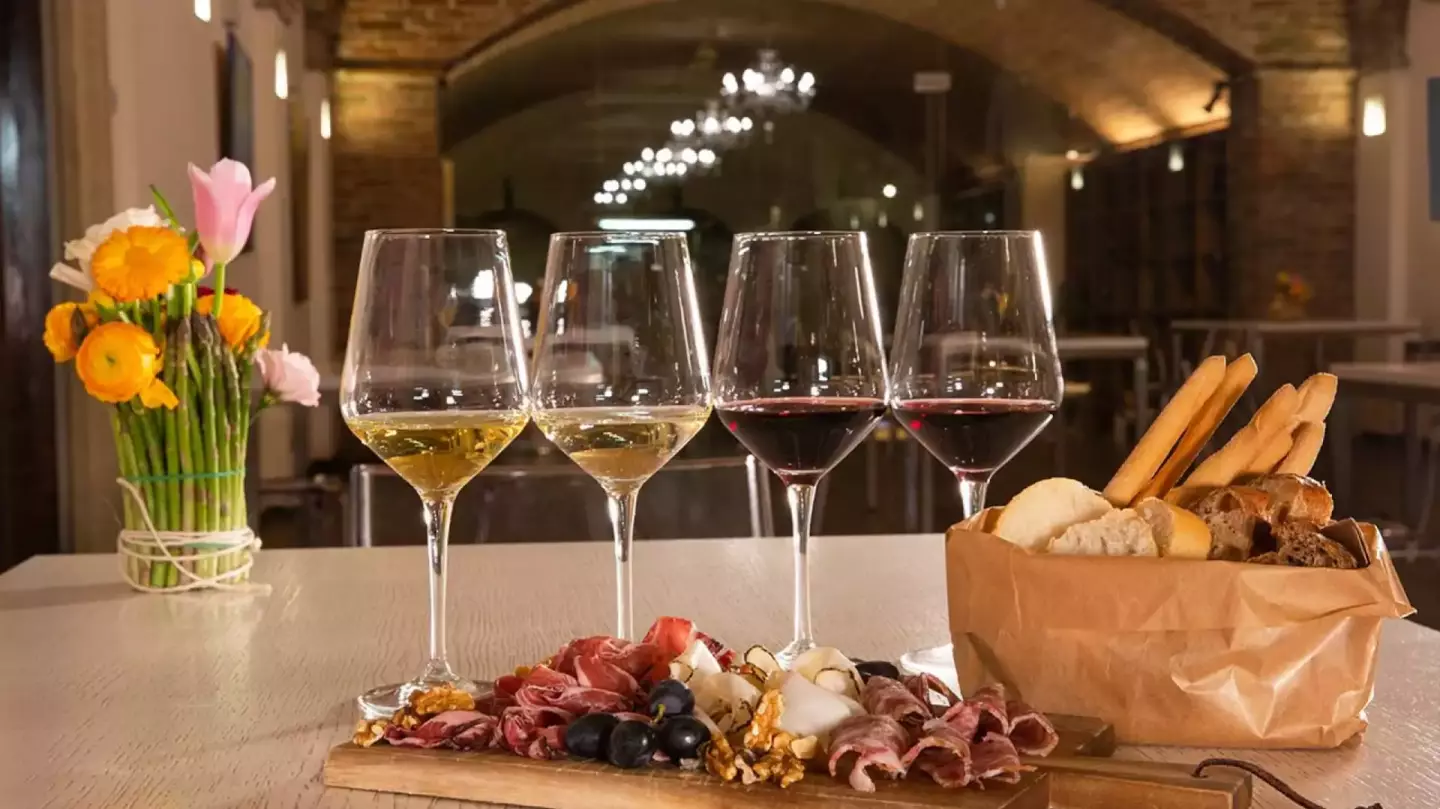
Depending on the listing, it may include guided tastings, explanations of production methods and vineyard or cellar visits. Check the experience page for the actual programme, duration and price.
Do I need wine knowledge to join?
You do not need to be an expert to enjoy a tasting and ask about farming practices. Check the experience description to find the right level for you.