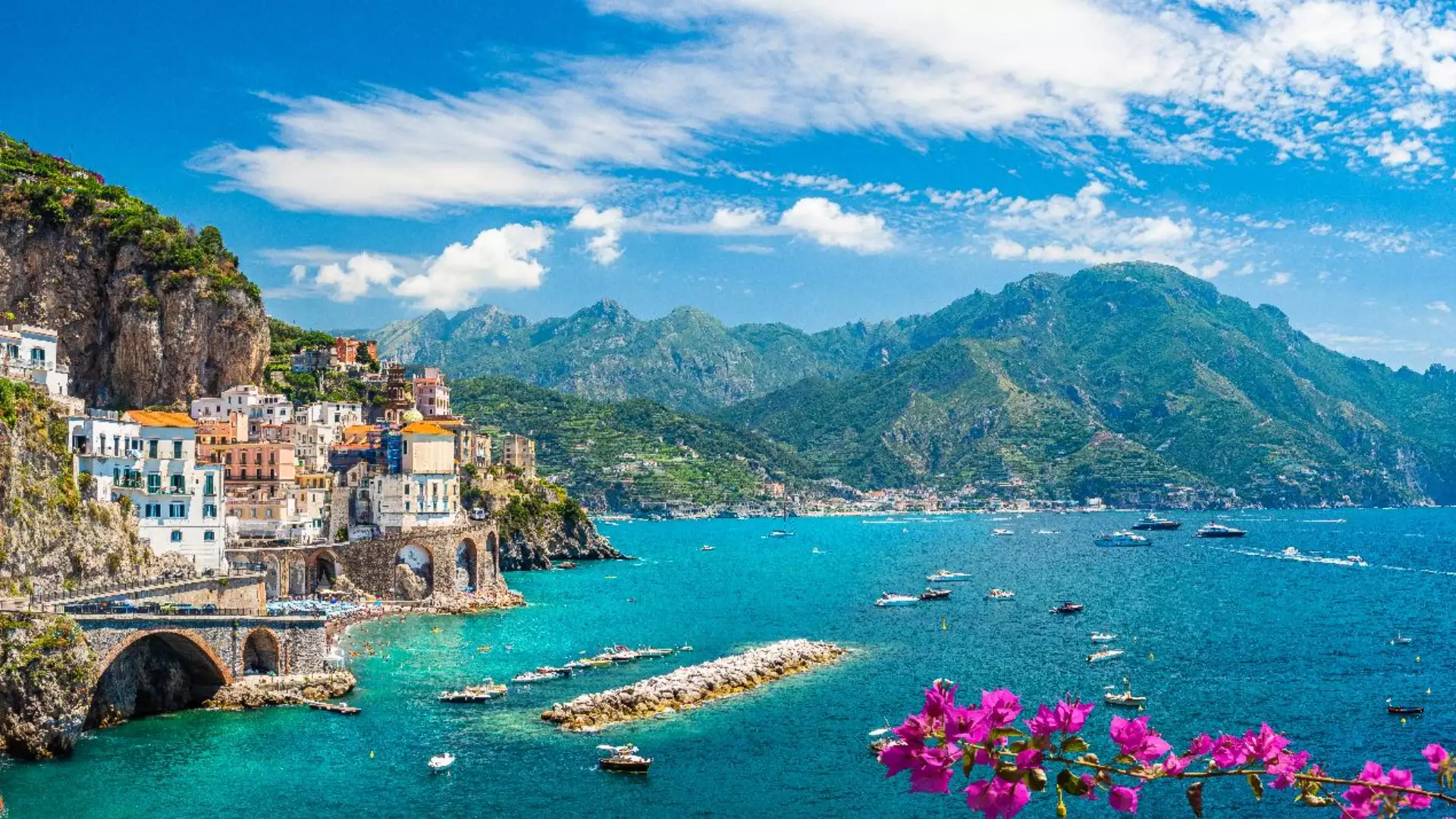
Wineries and Tastings in Campania
Irpinia, Sannio, and Cilento: Ancient Vineyards of Southern Italy
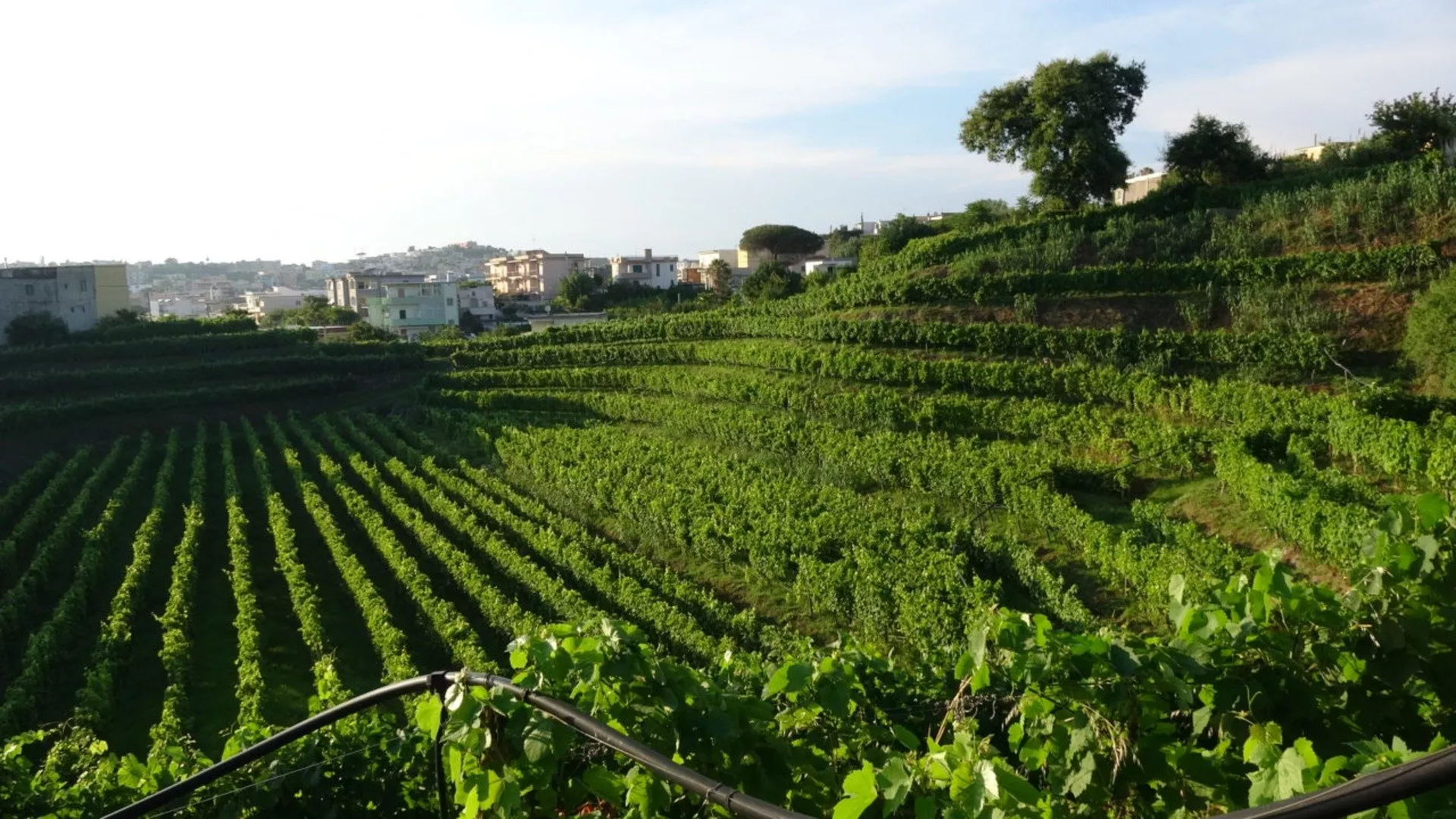
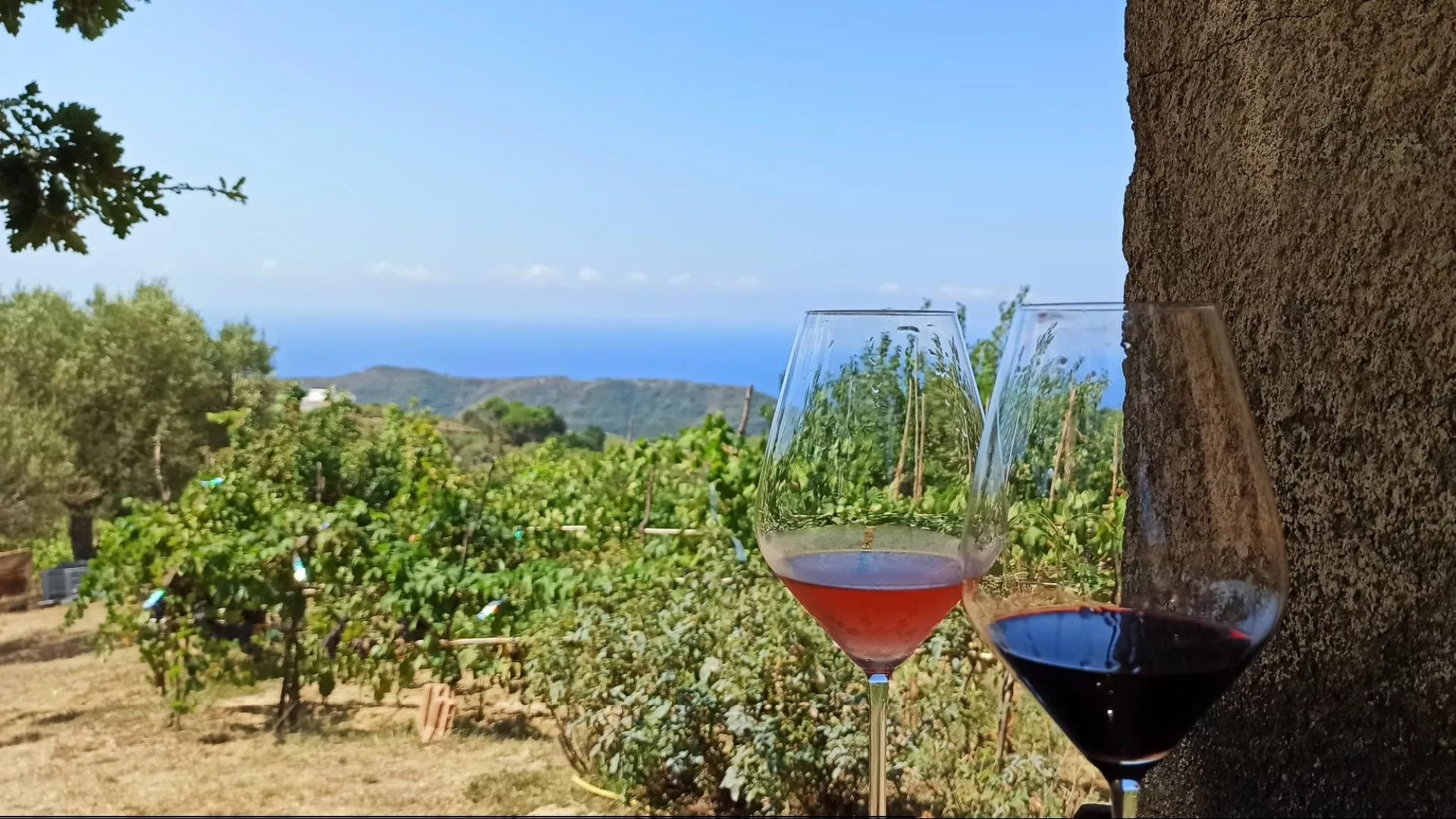
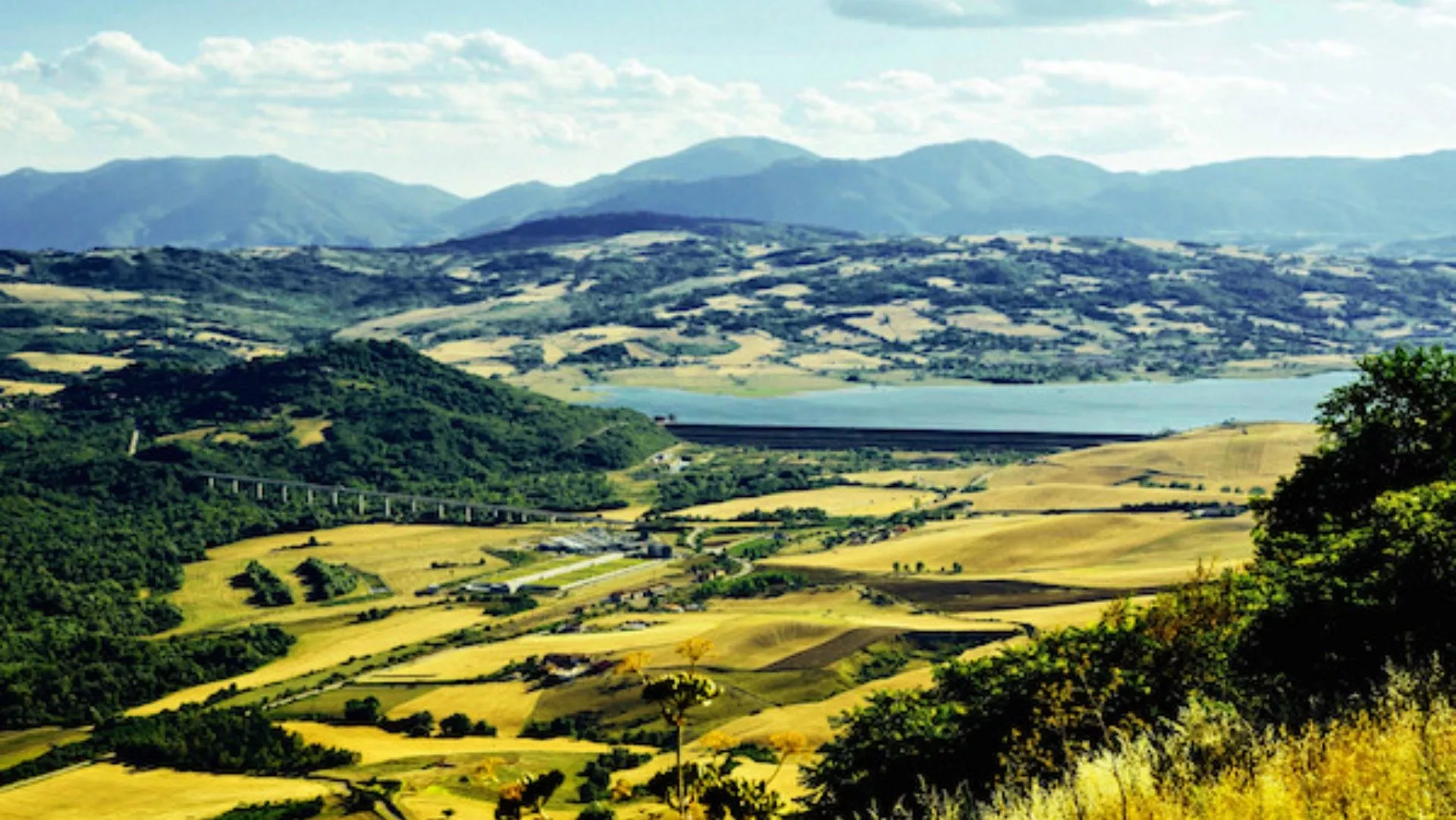
Campania is home to some of Italy's oldest native grape varieties: Fiano and Greco in Irpinia, Aglianico which finds one of its finest expressions here, Falanghina del Sannio, and the coastal wines of Cilento among terraced vineyards with sea views. Volcanic soils, temperature variations, and a millennia-old tradition give rise to mineral whites and long-lasting reds. Campanian wineries combine tastings and tours with traditional country and seafood dishes. Book your winery visit in Campania at the same price as the producer, with immediate confirmation.
The TOP of the moment


- Catering

- -13%


- Outdoor experience
Wine roads in Campania

Answers to the most frequently asked questions
What are the most representative wines from Campania?
In Campania, start with bianchi profumati e grandi rossi. Explore key areas such as Irpinia, Sannio e Vesuvio and taste different styles. At the winery, ask about vintage and winemaking style to pick the best match.
Which grape varieties define the wines of Campania?
To understand Campania, focus on Fiano, Greco, Falanghina e Aglianico. Soils and microclimates change the expression of each grape. If possible, compare two wines from the same grape across different areas.
What are the key DOC/DOCG appellations in Campania?
Key appellations in Campania are linked to areas like Irpinia, Sannio e Vesuvio. DOC/DOCG rules help you understand grapes and aging. Combine the appellation with the producer for the best quality.
How do I plan wine tourism in Campania?
Pick 1-2 wine areas in Campania (for example Irpinia, Sannio e Vesuvio) and book winery visits ahead. Spring and early fall are great; harvest season is exciting but requires planning. Pair tastings with local food.
What food pairings work best with wines from Campania?
Start with local cuisine: in Campania try pairings with mozzarella, pesce e cucina napoletana. As a rule, crisp whites and sparkling wines suit fish and starters, medium reds match pasta and cured meats, and structured reds fit meats and aged cheeses.