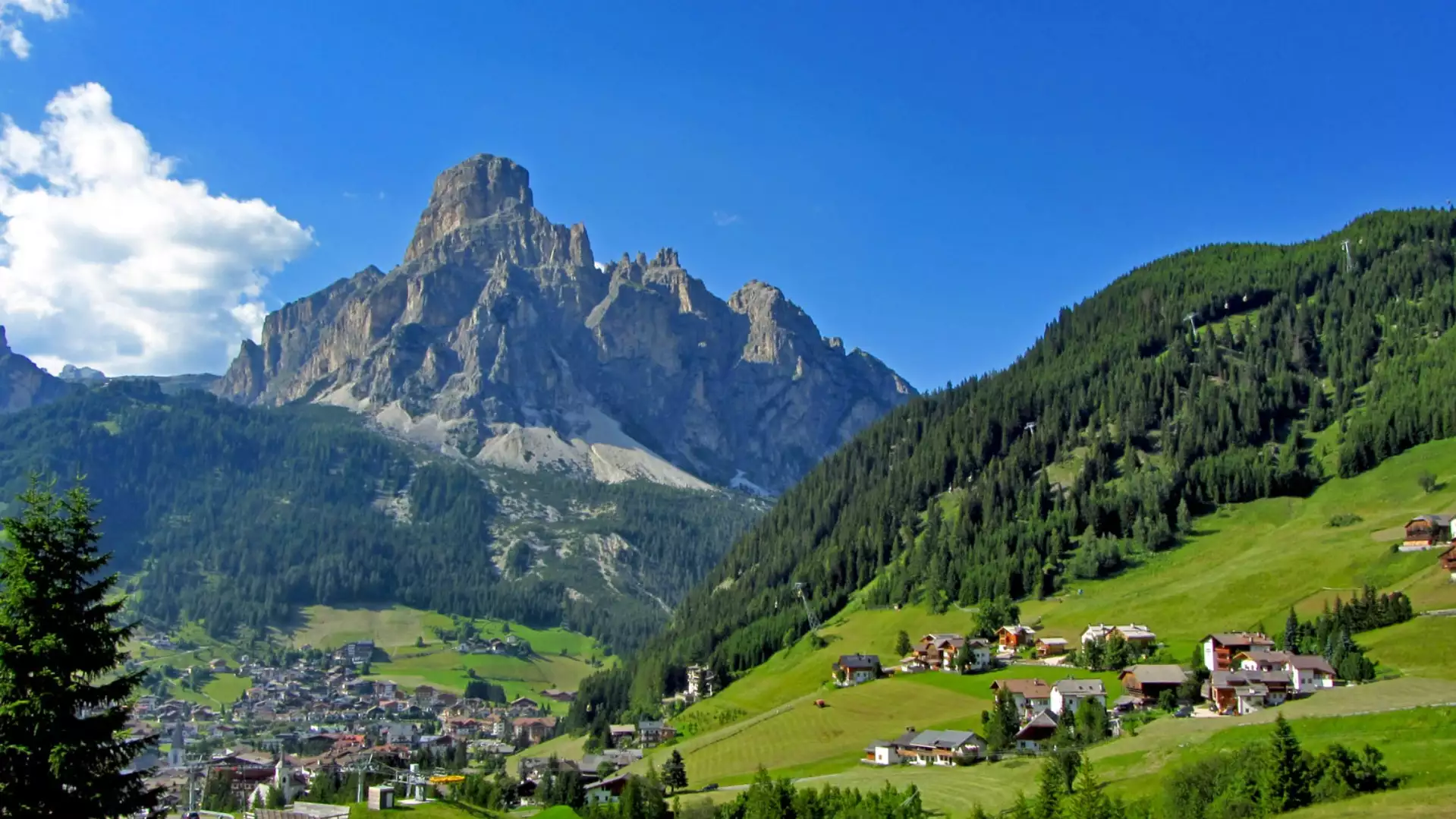
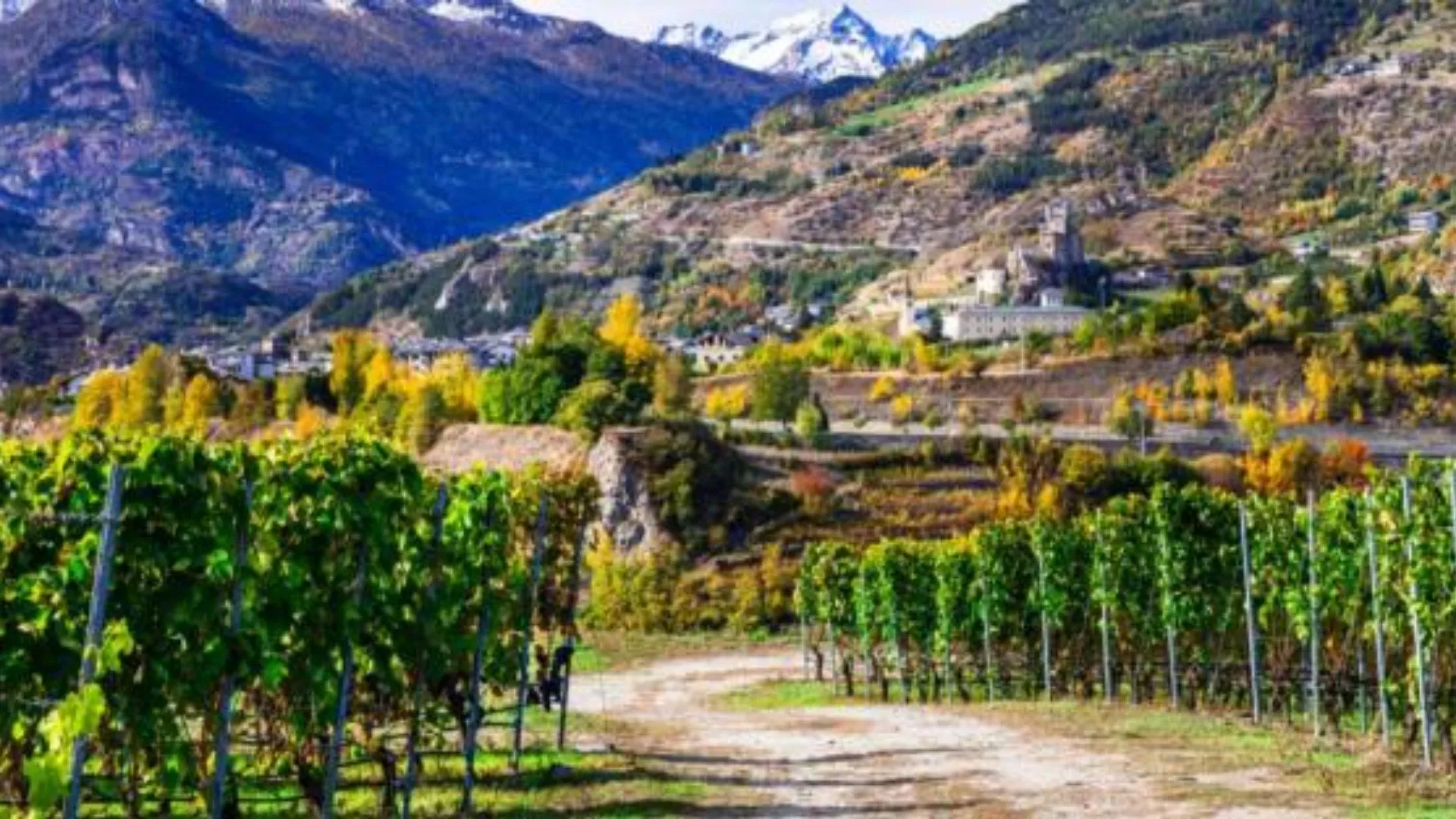
Valle d'Aosta is best experienced through its landscapes: territori vocati. From borghi e campagne to small family cellars, the region offers tastings rooted in place and tradition. Signature wines such as vini locali e vitigni autoctoni pair with local cuisine and warm hospitality, making every winery visit a memorable journey for wine lovers and travelers.
What are the most representative wines from Valle d'Aosta?
In Valle d'Aosta, start with vini alpini e viticoltura eroica. Explore key areas such as vallate alpine e vigneti in quota and taste different styles. At the winery, ask about vintage and winemaking style to pick the best match.
Which grape varieties define the wines of Valle d'Aosta?
To understand Valle d'Aosta, focus on Petit Rouge, Fumin e Prie Blanc. Soils and microclimates change the expression of each grape. If possible, compare two wines from the same grape across different areas.
What are the key DOC/DOCG appellations in Valle d'Aosta?
Key appellations in Valle d'Aosta are linked to areas like vallate alpine e vigneti in quota. DOC/DOCG rules help you understand grapes and aging. Combine the appellation with the producer for the best quality.
How do I plan wine tourism in Valle d'Aosta?
Pick 1-2 wine areas in Valle d'Aosta (for example vallate alpine e vigneti in quota) and book winery visits ahead. Spring and early fall are great; harvest season is exciting but requires planning. Pair tastings with local food.
What food pairings work best with wines from Valle d'Aosta?
Start with local cuisine: in Valle d'Aosta try pairings with fontina, salumi e piatti di montagna. As a rule, crisp whites and sparkling wines suit fish and starters, medium reds match pasta and cured meats, and structured reds fit meats and aged cheeses.