- Catering
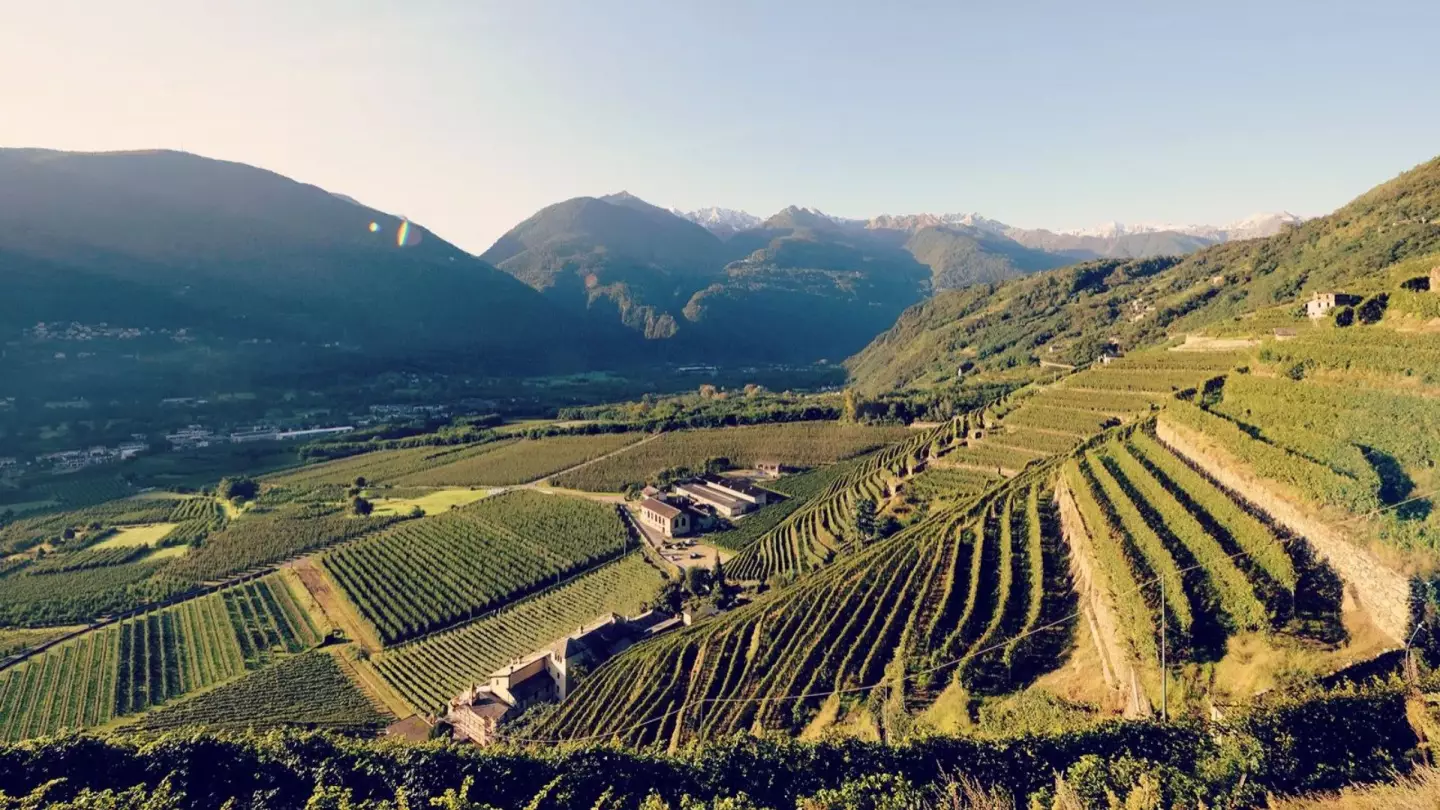
Discover mountain-grown Nebbiolo among terraced vineyards and dry-stone walls
A visit to the wineries of Valtellina reveals a striking landscape of terraced vineyards on the slopes of the Lombardy Alps. Here, Nebbiolo is known as Chiavennasca, a grape that expresses the area's mountain terroir and the demanding work behind each harvest.
From tastings of Valtellina Superiore DOCG and Sforzato di Valtellina DOCG to experiences focused on hillside viticulture, there are different ways to discover the valley. Browse the experiences on Cantine.wine, check what each includes and choose a winery visit that suits your plans.

Duration: 1h 30 Languages:English, Italian, German


(7 reviews)
Duration: 3h 50 Languages:Italian

A tasting of Mamete Prevostini's iconic wines: the 3 crus in the Sassella, Grumello and Inferno areas, the Riserva and the Sforzato
(3 reviews)
Duration: 1h Languages:English, Italian


Tasting 4 great versions of Nebbiolo
(3 reviews)
Duration: 1h Languages:English, Italian


Valtellina combines Alpine scenery with a distinctive wine culture. Its steep vineyards are supported by dry-stone walls, and many tasks require careful manual work. Depending on the experience, a winery visit can reveal how the landscape, grape growing and local traditions are connected.
Chiavennasca is the local name for Nebbiolo. Wines to discover include Rosso di Valtellina DOC, Valtellina Superiore DOCG and Sforzato di Valtellina DOCG, made from dried grapes. Sassella, Grumello, Inferno, Valgella and Maroggia are subzones of Valtellina Superiore. The actual wine selection depends on the tasting you book.
Experiences may include guided tastings, introductions to vineyard work or outdoor activities. A walk through the terraces is not included in every visit, so check the itinerary, duration, terrain and accessibility details before booking.
Spring and autumn show different sides of the valley, while harvest activities can affect opening times and availability. The railway from Milan towards Tirano provides access to the valley, but onward travel to individual wineries needs separate planning. Booking ahead makes it easier to organise your day.
Bresaola, pizzoccheri, sciatt and Alpine cheeses are part of the region's food culture. Some experiences may include food pairings, but they are not automatically part of every tasting. Check the listing for wines, food, meeting point and booking conditions.
For its steep Alpine vineyard terraces and Nebbiolo wines, made from a grape locally called Chiavennasca. Well-known appellations include Valtellina Superiore DOCG and Sforzato di Valtellina DOCG.
They are plots built into steep slopes and supported by dry-stone walls. They make mountain viticulture possible but also make many vineyard tasks more demanding.
Yes. Browse the available winery visits and tastings, then check each listing to see whether it includes a cellar tour, vineyard visit or tasting only.
Local wines include Rosso di Valtellina DOC, Valtellina Superiore DOCG and Sforzato di Valtellina DOCG. The bottles poured vary by winery and tasting.
Some routes cross steep or uneven ground, while others stay entirely inside the winery. Check elevation, duration, recommended footwear and accessibility before booking.
Spring and autumn are appealing for vineyard scenery. Visits may also be offered at other times; check the calendar and availability for each experience.
Some experiences may pair wines with local foods such as bresaola or cheese. Pizzoccheri and sciatt are other regional specialities, but are not necessarily included.
Booking ahead is advisable, especially at weekends. Check the listing for availability, start time, group size and booking conditions.
Wine-related accommodation can be found in the area, but an overnight stay is not automatically included with a tasting. Check the property's listed services.
The valley is connected to Milan by the railway towards Tirano and by road. For a specific winery, check its address, local transport options and journey time before setting off.