Podere Fedespina


Spinorosso
Podere Fedespina
Product information
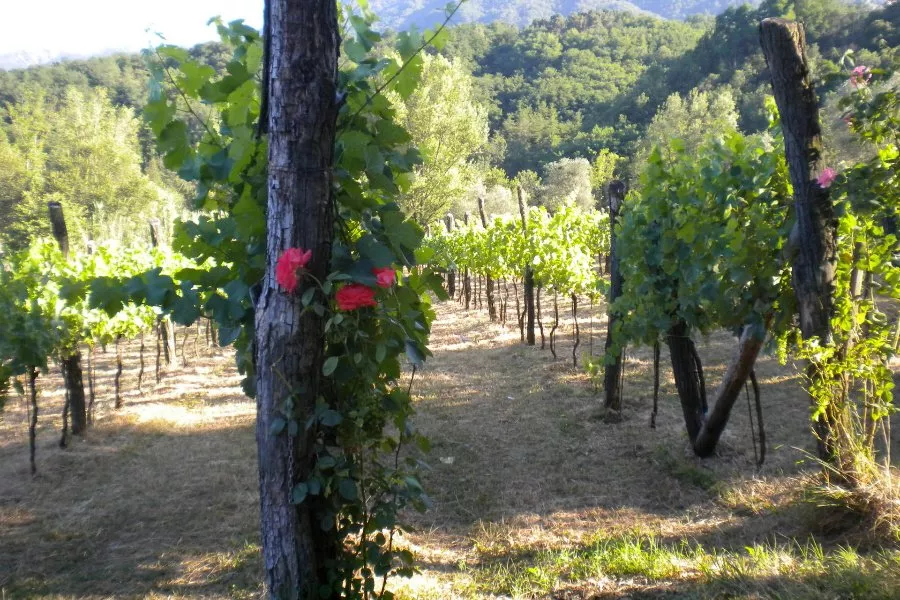
Since the Middle Ages our farm was included in the feud called Spino Secco and was under the influence of a branch of the Marquis Malaspina. For this reason we consider this wine worthy of being called Spinorosso. The beauty of the vineyard from which the wine comes and the natural quality of which it is the bearer enhance, at best, the ancient territory.
-Grape variety: Merlot 60% Ciliegiolo 40%
-Average yield per hectare: 5.0 t/ha
-Soil: clayey, rich in organic substance that gives the wine more floral and fruity aromas.
-Treatments: Vegetable fertilization of biological origin. No chemical fertilizers or herbicides are used.
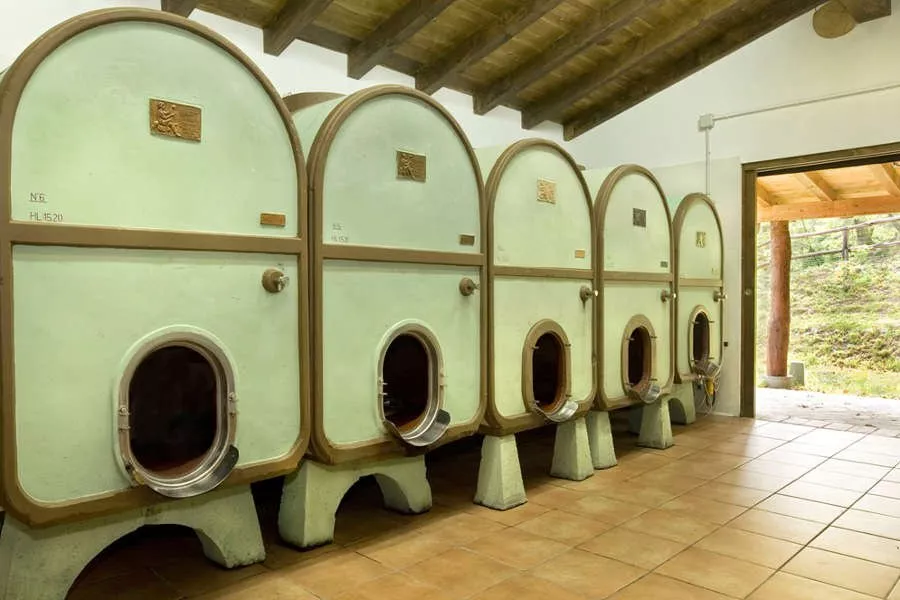
-Winemaking: maceration of the skins for 12 days at a temperature between 22-27 ° in cement barrels. Racking and post-fermentation maceration for 3 days with the wine still warm. Start of malolactic fermentation.
-Refinement in barrels: 24 months in cement casks.
-Refinement in bottle: for a minimum of 12 months.
-Bottling: without clarification and filtration.
-Analytical data: alcohol 13.00% vol, , total SO2 35/50 mg/l.
-Organoleptic properties: ruby red in colour. It opens to the nose with aromas of flowers, cassis, morello cherry, herbs and mineral notes. On the palate it remains long and elegant with a beautiful persistence in the finish.
Host information
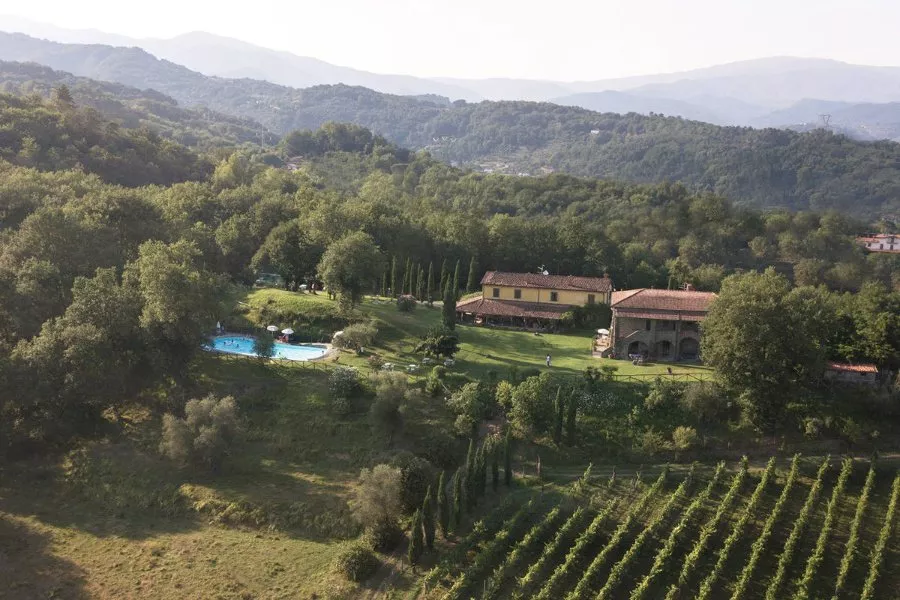
The vineyards of Podere Fedespina are located in Lunigiana. Our wines, Fedespina, Pinot Noir from 50-year-old vines, Bianco, a blend of Durella, Vermentino, Chardonnay, Ca', Merlot, and Spinorosso, Merlot, and Ciliegiolo and Vermentino Nero are produced naturally, without the use of chemical fertilizers, herbicides, clarifications, and filtrations. The yields are low; we select healthy and rich bunches, creating wines with a minimum level of sulfites, structure, freshness, elegance, and quality. In the vineyard, no herbicides or herbicides are used, and manual care is taken, with the utmost respect for the environment.
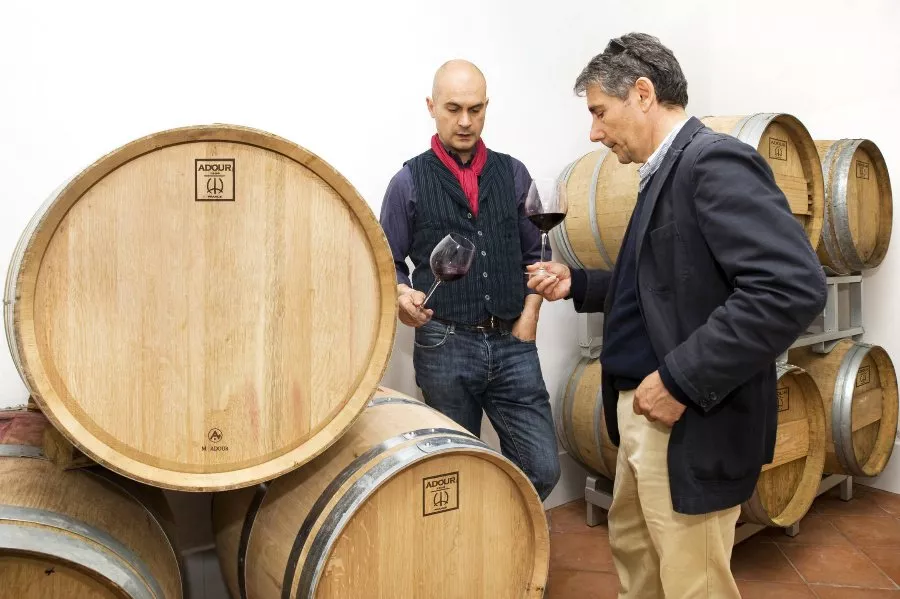
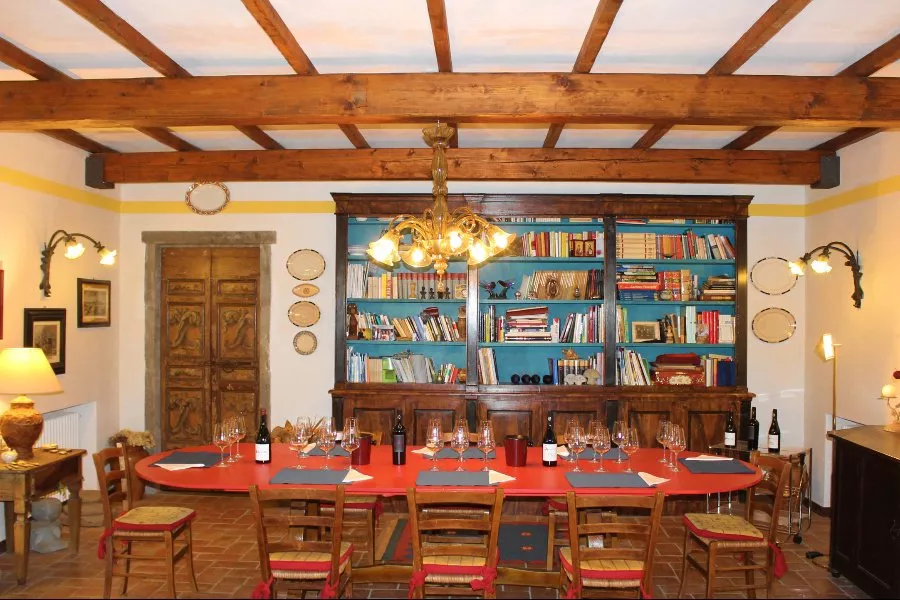
In the cellar, the grapes are destemmed and gently pressed so that some of the berries go whole into the barrel. The soft pressing is followed by gentle pumping over and punching down to extract only the noblest part of the tannins. We use concrete barrels for alcoholic and malolactic fermentations. Special attention is given to the choice of wood for the barriques, from which we seek stability rather than flavor. We use 300-liter barrels made of French wood with different seasons and toasting levels. The low use of sulfur extends all the way to the bottle. This is because we want our wines to be not only good but also digestible and healthy.
Where the producer is located
Via Generale Carlo Alberto Dalla Chiesa, 35, 54026, Mulazzo, Frazione Arpiola, Italy
