
From€16
The best wineries among the UNESCO heritage hills of the great Nebbiolo
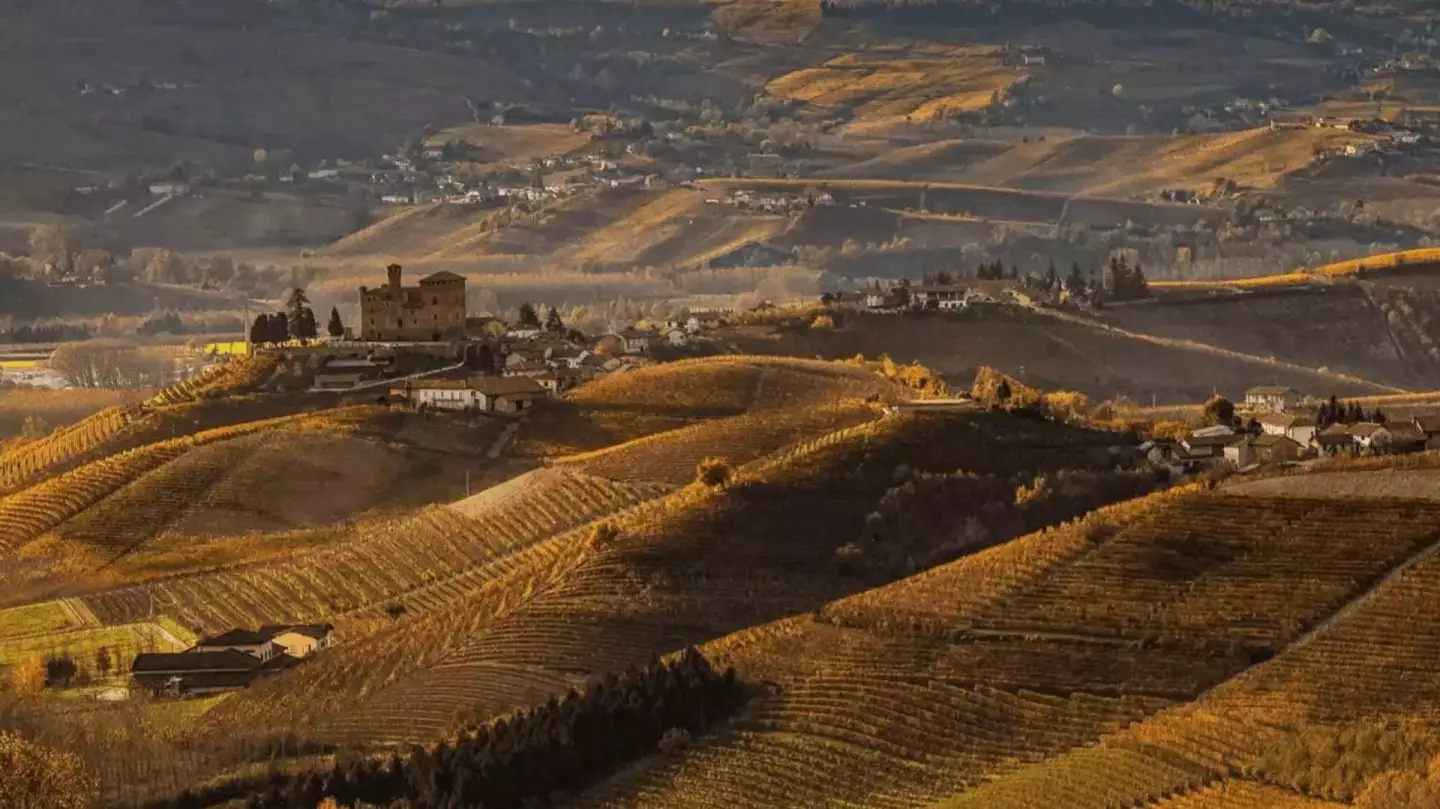
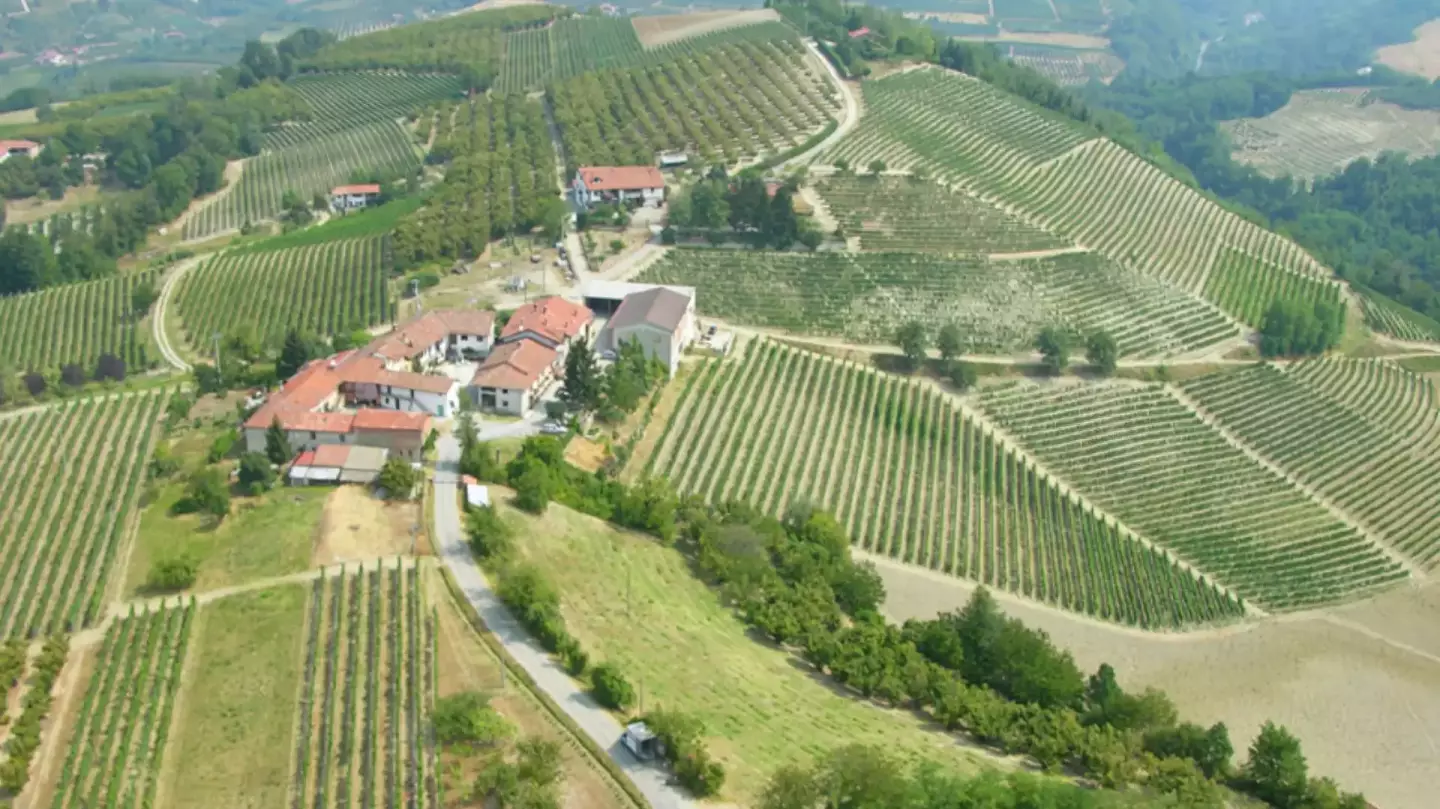
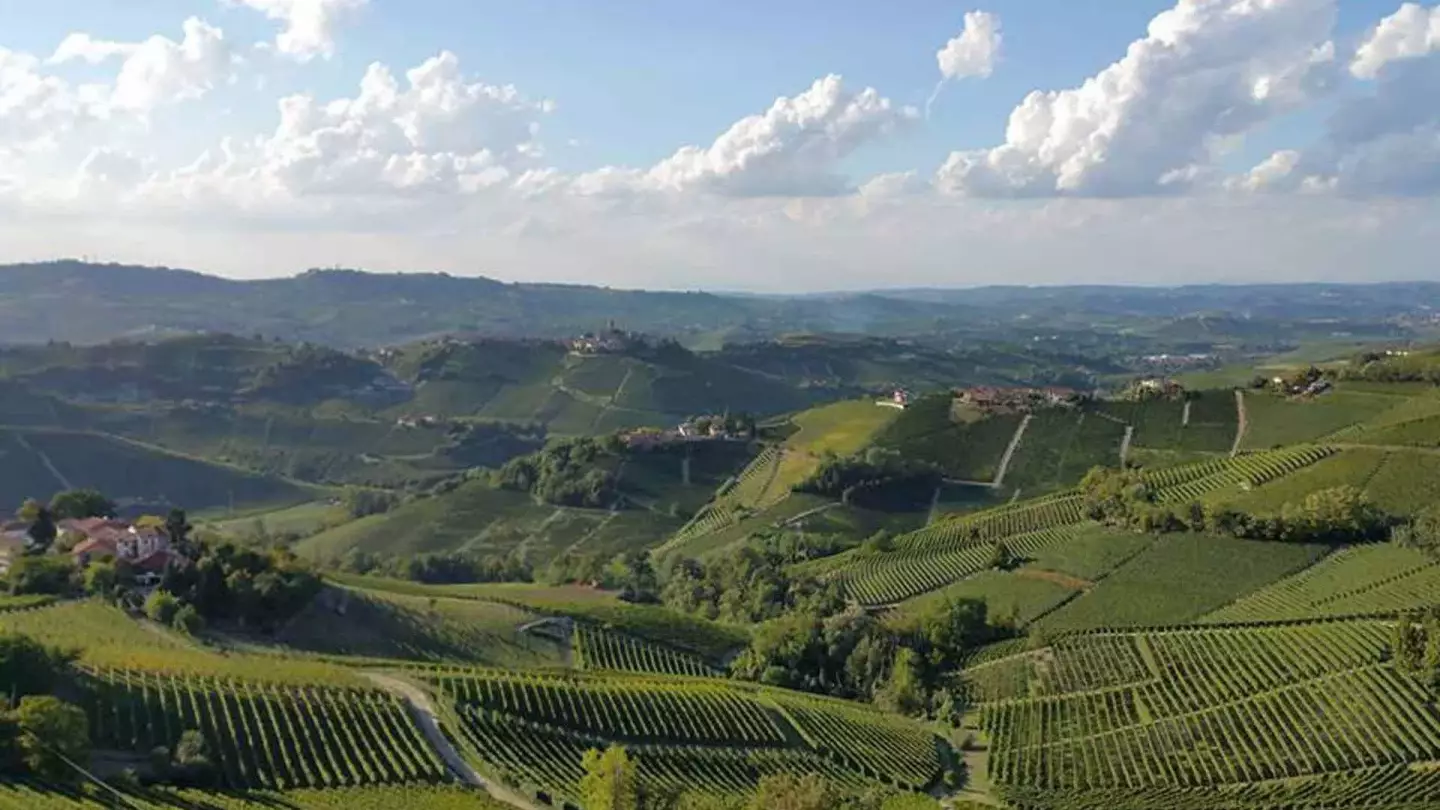
The Langhe is one of the most renowned wine regions in the world, a UNESCO World Heritage Site since 2014 for its unique landscape of vine-covered hills, castles, and medieval villages. This selection gathers the best wineries in the area, where Nebbiolo reaches its highest expression in Barolo and Barbaresco, but also offers more accessible wines like Dolcetto and Barbera, perfect for a first approach to the region. The proposed experiences allow you to discover historic wineries, often family-run for generations, in a landscape that is unmatched in Italy, between the white truffle of Alba and views that change color with every season. Perfect for those who love great aging reds and fine dining. Book your tasting at the same price as the winery.
Instant confirmation
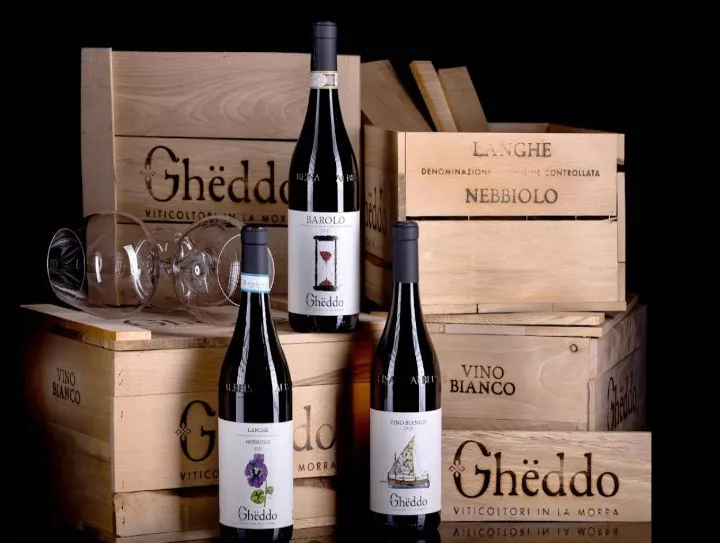
A unique journey from La Morra through the vineyards, the winery, and the ciabòt with the estate's winemaker.
Duration: 6h

Instant confirmation
(13)
Duration: 1h 30

Duration: 1h 30


The Langhe, located in Piedmont in northwestern Italy, are famous for their breathtaking hilly landscapes, picturesque villages, and, above all, for their excellent wine and food production.
The term "Langhe" comes from the Latin "linguae", which means "tongues" or "tongues of land", likely referring to the narrow elongated hills that characterize this region.
In the Langhe, various high-quality wines are produced, among which the most famous are Barolo and Barbaresco, both made from the Nebbiolo grape. Other notable wines include Dolcetto, Barbera, and Moscato d'Asti.
Barolo is produced exclusively in the Langhe, in a specific area that includes 11 municipalities, including Barolo, La Morra, Monforte d'Alba, and Serralunga d'Alba. These territories are renowned for their microclimate and the soil particularly suitable for the cultivation of Nebbiolo.
The main difference between Barolo and Barbaresco, although both wines are made from Nebbiolo grapes, lies in the production regulations and the terroir. Barolo requires a longer aging period (at least 38 months, of which 18 in wood), compared to Barbaresco (at least 24 months, of which 9 in wood). The terroir of the two regions gives the wines different characteristics: Barolo tends to be more robust and tannic, while Barbaresco is generally more elegant and less structured.
Dolcetto d'Alba DOC is a red wine produced exclusively from the Dolcetto grape and is traditionally the most consumed table wine in the Langhe. Unlike Barolo and Barbaresco, which are more structured and long-lived, Dolcetto d'Alba is generally rounder, lighter, and softer, with a ruby red color that tends towards violet and a pleasant, winey aroma. It is ideal for pairing with vegetable and cold cuts appetizers, legume soups, risottos, porcini ravioli, and veal and beef dishes. Its history is deeply rooted in the peasant life of Piedmont, having been an important item of exchange with Liguria for centuries.
The best time to visit the Langhe depends on the visitor's preferences. Spring is ideal for enjoying the awakening of nature, with vineyards turning green and mild temperatures. Autumn is the most fascinating and popular season, thanks to the foliage that transforms the landscapes into a work of art, with vineyards taking on distinctive colors depending on the grape variety (yellow for Nebbiolo, bright red for Dolcetto, purplish for Barbera). During this time, the Alba White Truffle Fair also takes place, offering the opportunity to taste local specialties. Winter also has its charm, with snowy and silent landscapes, perfect for tasting fine wines like Barolo and Barbaresco.
Besides its renowned wine production, the Langhe are famous for the white truffle of Alba, with Alba considered the truffle capital and hosting an international fair dedicated to it every year. Other culinary specialties include tajarin with white truffle, Salsiccia di Verduno, Baci di Cherasco (sweets with dark chocolate and Tonda Gentile hazelnuts from the Langhe), boiled meats, fondue, bagna cauda, alpine cheeses, and strawberries from Roero. Culturally, the region boasts numerous medieval castles (such as those of Grinzane Cavour, Barolo, and Serralunga d'Alba), ancient villages, and the 'Romantic Road of the Langhe and Roero', a route of over 100 km that offers an immersion in the landscape, history, and local traditions. The Langhe are also home to important 20th-century writers such as Beppe Fenoglio and Cesare Pavese, whose works are deeply connected to this territory.